
Self-Leveling Concrete & Overlays in Coral Terrace FL - A Flat Base for Your New Floor
Low spots and patched concrete show through new flooring. We test the slab, then pour a flat base for the floor you're installing.
Do I need self-leveling concrete before new flooring?
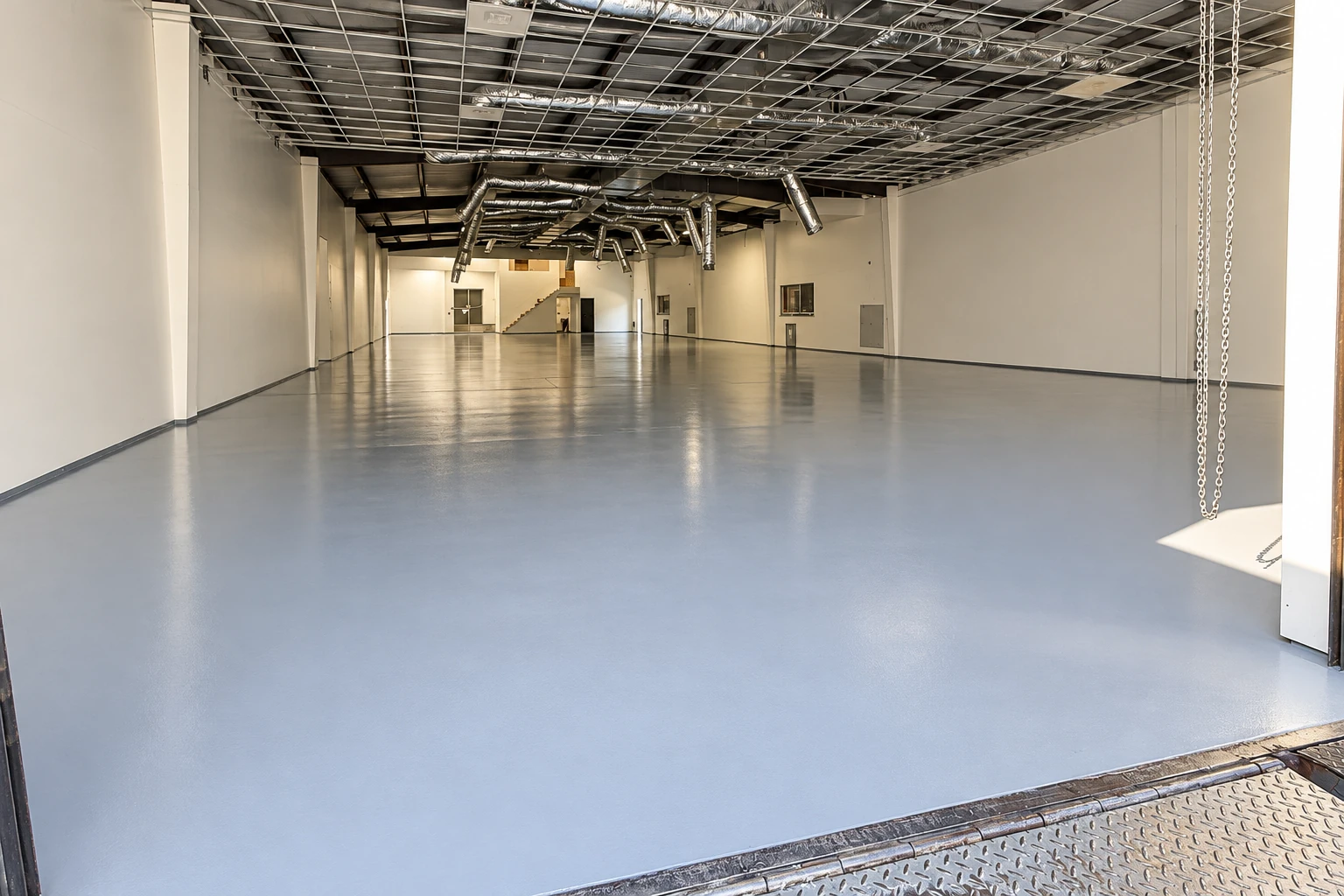
Self-leveling concrete in Coral Terrace is an underlayment we pour over an existing indoor concrete floor, where it spreads out and cures into a flat, smooth base for the tile, wood, vinyl or coating you're putting on top.
Most calls start after the carpet or tile comes up and the slab underneath has dips, ridges or old patches that would show through the new floor. The price moves with the size of the room, how far out of level it is and how much has to come off first, and the schedule turns on what the floor test shows and how long you can keep the room closed up while it cures. Your estimate turns all of that into a written scope for your room, so you know what the job is before we start.
Why Coral Terrace calls us for self-leveling
You'll talk to me before, during and after the job, and you'll know what we're doing to your floor and why, including the parts nobody can promise ahead of time.
The owner on every job
I come out to look at your floor myself and stay on site while our crew does the work.
In business since 2017
That's nine years of learning what a slab needs before anything goes on top of it.
Licensed and insured on your job
We're fully licensed and insured, so the work in your house is covered while our crew is there.
Our satisfaction guarantee
Every self-leveling job we take on is backed by our satisfaction guarantee.
Answers before you book
Call (305) 786-6170 with every question you have, because I'd rather answer one more than have you guess.
How we handle self-leveling jobs
Which way your job goes depends on what's on the slab now and what the floor test shows, because those two things decide which underlayment we pour and what has to happen first.
What happens when you call about self-leveling in Coral Terrace?
We plan the work around your room, from the test through the cure, so you know when the floor is off limits and when your installer can come in.
Call or send the form
Reach us at (305) 786-6170 or through the form on this page, and we'll set up a time to see your floor.
I test the floor
I come out myself, look at the floor, test it where it needs testing and answer your questions while I'm there.
Your written scope
I write up a scope that says what we'll do to your floor, so nothing about the job is a guess when we start.
Prep, pour, walk-through
Our crew preps the concrete and pours the underlayment with me on site, and I walk the finished floor with you before we pack up.
Questions about a step? Call and talk it through.
(305) 786-6170Self-leveling questions we hear most
How much does self-leveling concrete cost in Coral Terrace?
There's no fair number until the floor has been seen and tested, because how deep the low spots run and what has to come off first change the job the most. A clean slab that needs a thin pour costs less than one with old glue to test and strip, and a test result that calls for a different underlayment can move it too. Your estimate gives you the figure for your room.
How soon can you walk on self-leveling concrete?
One maker's guide says to stay off the new surface for at least 2 to 3 hours, depending on temperature and humidity. After that, it says to keep the floor free of traffic, dirt and dust until it's fully cured and the final flooring is in, so plan on the room being out of everyday use until your installer is done.
How long does a room have to stay closed up after self-leveling concrete is poured?
One maker's guide says the concrete and the room should stay between 50°F and 95°F before the pour and for at least 72 hours after. It also says doors and windows stay closed, the HVAC stays off and sun stays off the floor until it cures, which can take some planning in a South Florida summer, so I walk you through it before we pick a date.
What causes self-leveling concrete to crack or come loose?
It usually comes back to the slab underneath, because one maker's guide says sealers and contaminants that may block bonding have to come off first and any existing finish should be well bonded. The guide also calls priming critical, since primer keeps a porous floor from drying unevenly, which can cause cracks, and that prep is where most of our time goes.
What does Miami-Dade's under $7,500 permit exemption cover?
Miami-Dade County says home projects valued under $7,500 may qualify for a simplified process with no building permit, for single-family homes, duplexes and townhouses that meet its criteria. Units in multi-family buildings don't qualify, and electrical, plumbing, structural, mechanical and gas work still needs permits at any value, so check the details on the county's permit exemptions page.
What's the difference between self-leveling concrete and a concrete overlay?
The difference is what goes on top, since self-leveling is a base that gets covered by new flooring, while overlay work puts a surface treatment material onto existing, hardened concrete. If the concrete itself is the floor you want to look at, our concrete resurfacing and overlays page covers that side.
Self-leveling concrete permits and slabs in Coral Terrace
Miami-Dade County's permit exemption list for unincorporated areas names open patio and walkway slabs and tile or wood floor surfacing, but it doesn't name self-leveling or overlays, so that list alone doesn't settle whether your job needs a permit. Permit rules depend on your address and the job, so we check early which office covers your property and tell you what we find. If the job needs a permit, we apply for it as your licensed contractor, and it helps to know the county licenses contractors working in Miami-Dade, with separate licenses for surface work on hardened concrete and for floor surfacing.
A lot of what we see around here is slab houses where carpet, tile or old vinyl has come up and left low spots, patched cracks or glue behind, sometimes with old terrazzo underneath. We meet the same floors on jobs in Westchester and Coral Gables, so the testing and prep go the same way there.
Ask about leveling your Coral Terrace floor
If your new flooring is already ordered, call (305) 786-6170 now, since the floor test and cure time have to fit before your installers arrive.