Flooring Contractor in Tamiami, FL - Slabs Tested and Prepped Before Coating
Stonegate Epoxy Floors of Coral Terrace is a flooring contractor based in Coral Terrace, FL, coating, polishing and restoring concrete floors for Tamiami homeowners and property managers, from garages and pool decks to old terrazzo and warehouse slabs.
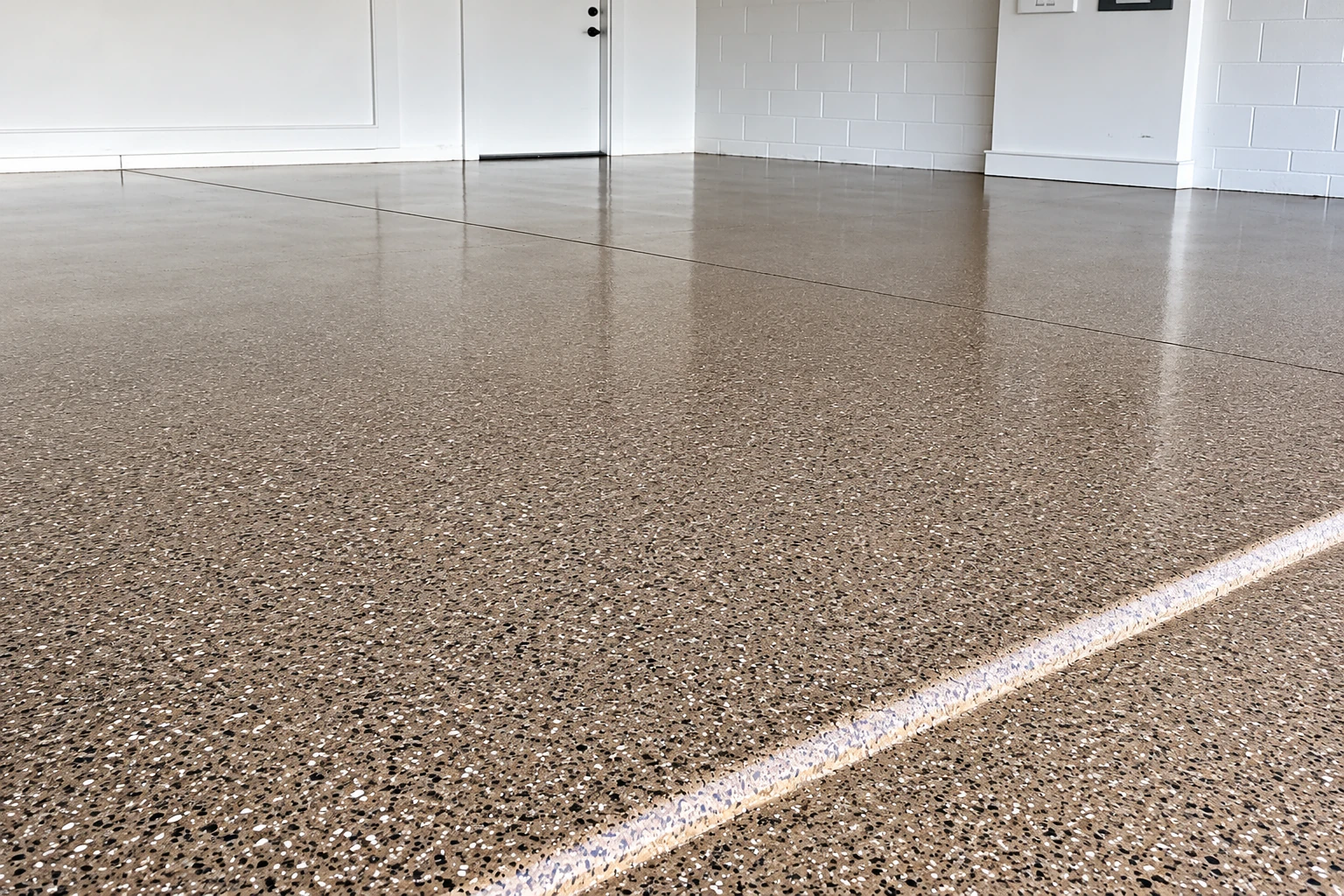
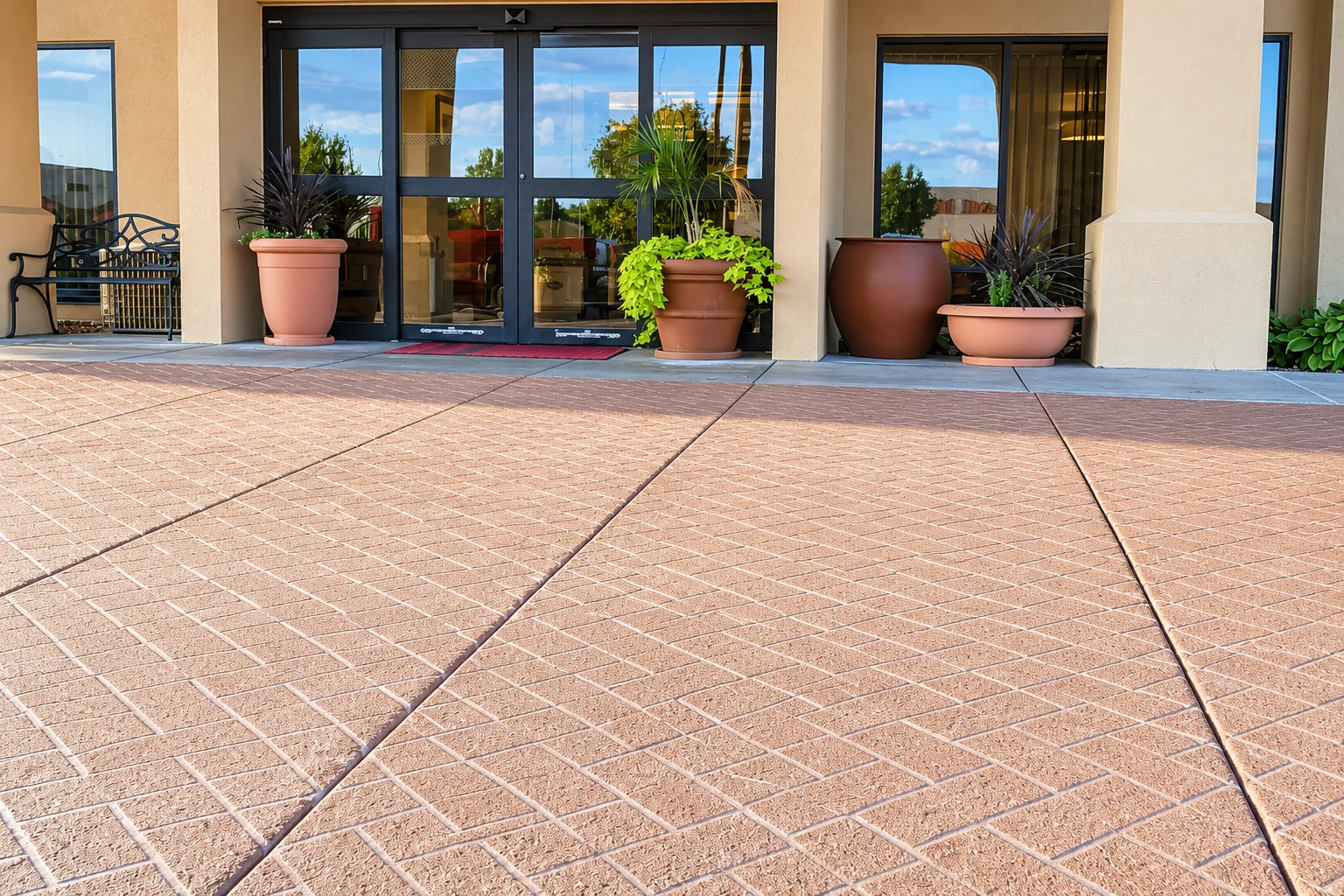
Concrete floors and coatings in Tamiami
Tamiami sits on the west side of Miami-Dade, bordered on the east by Westchester, and the calls we get there tend to be from homeowners about garages, pool decks and slab rooms, plus the odd room of terrazzo someone found under the carpet. Property managers call too, about shop and warehouse floors, the same kind of work we do over in Doral.
What we find under those floors shapes the job more than the square footage does. A lot of these slabs carry years of oil, paint, tile glue or a worn-out coating, and how much of that has to come off, how many cracks need filling and what the moisture test shows are what move your price. The schedule turns on the same things, plus rain and humidity on pool decks and open garages, and the estimate is where you get a figure for your own floor.
What we do on Tamiami floors
Epoxy suits the slab rooms, laundry areas and back porches we see in Tamiami homes, once we've ground the concrete open so the coating can actually grip.
Commercial & Industrial Epoxy Floor Coatings
Learn more about Commercial & Industrial Epoxy Floor CoatingsProperty managers call us about shop and warehouse floors that take carts, forklifts and spills, and we schedule the work around your business hours.
Tamiami garages often come to us with oil stains, hot-tire marks or a peeling store-bought kit. We strip and grind it off before the new coating goes down.
Polyaspartic cures faster than epoxy and stands up better to sunlight, so it's a good fit for a garage that sits open in the afternoon heat.
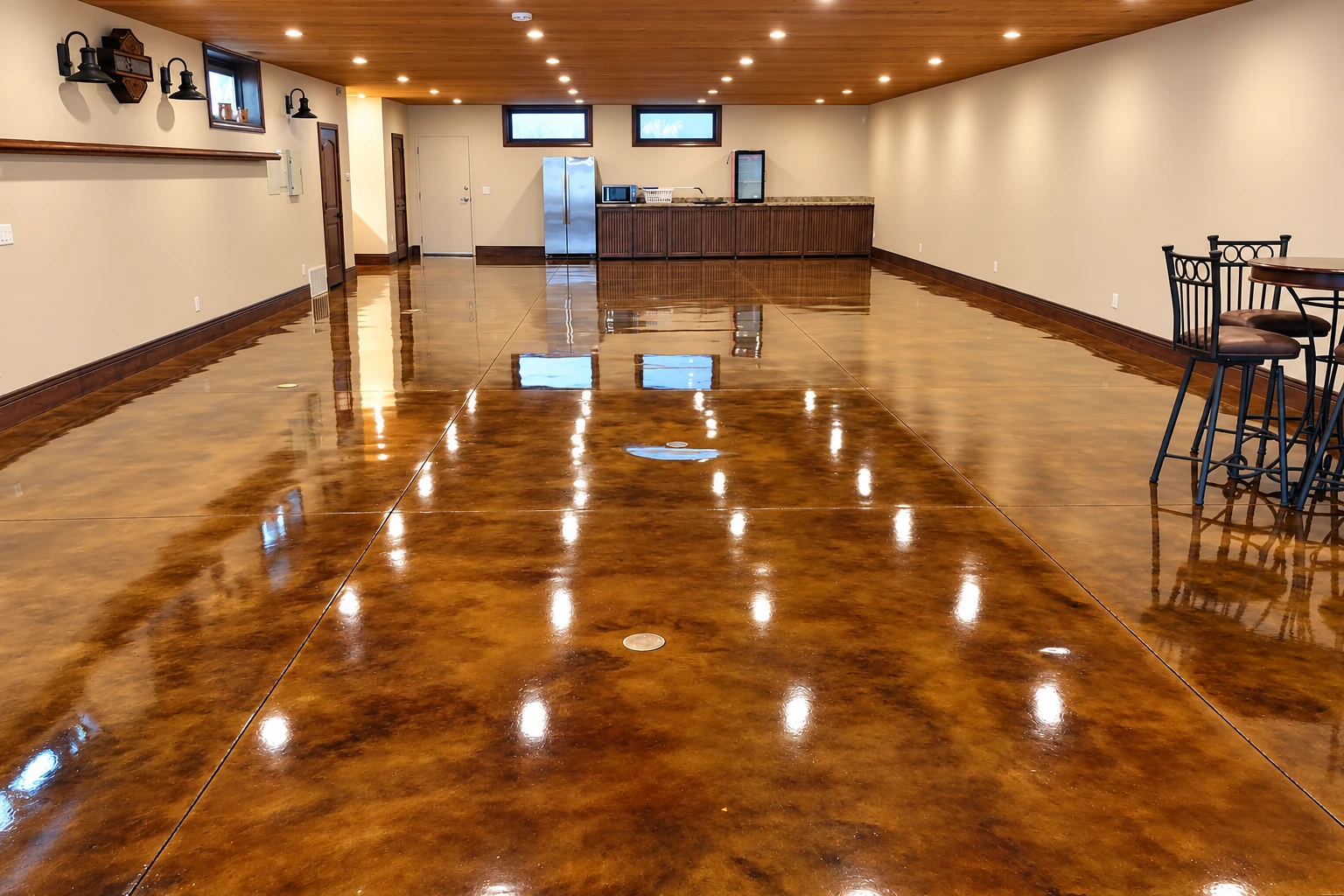
For a living room or a slab-floored addition, metallic epoxy gives a poured, swirled look, and because it shows dips and patches underneath, the prep matters even more.
Where a floor gets hot water, grease or harsh cleaners, like a restaurant kitchen or a busy shop, urethane cement handles it better than a thin coating would.
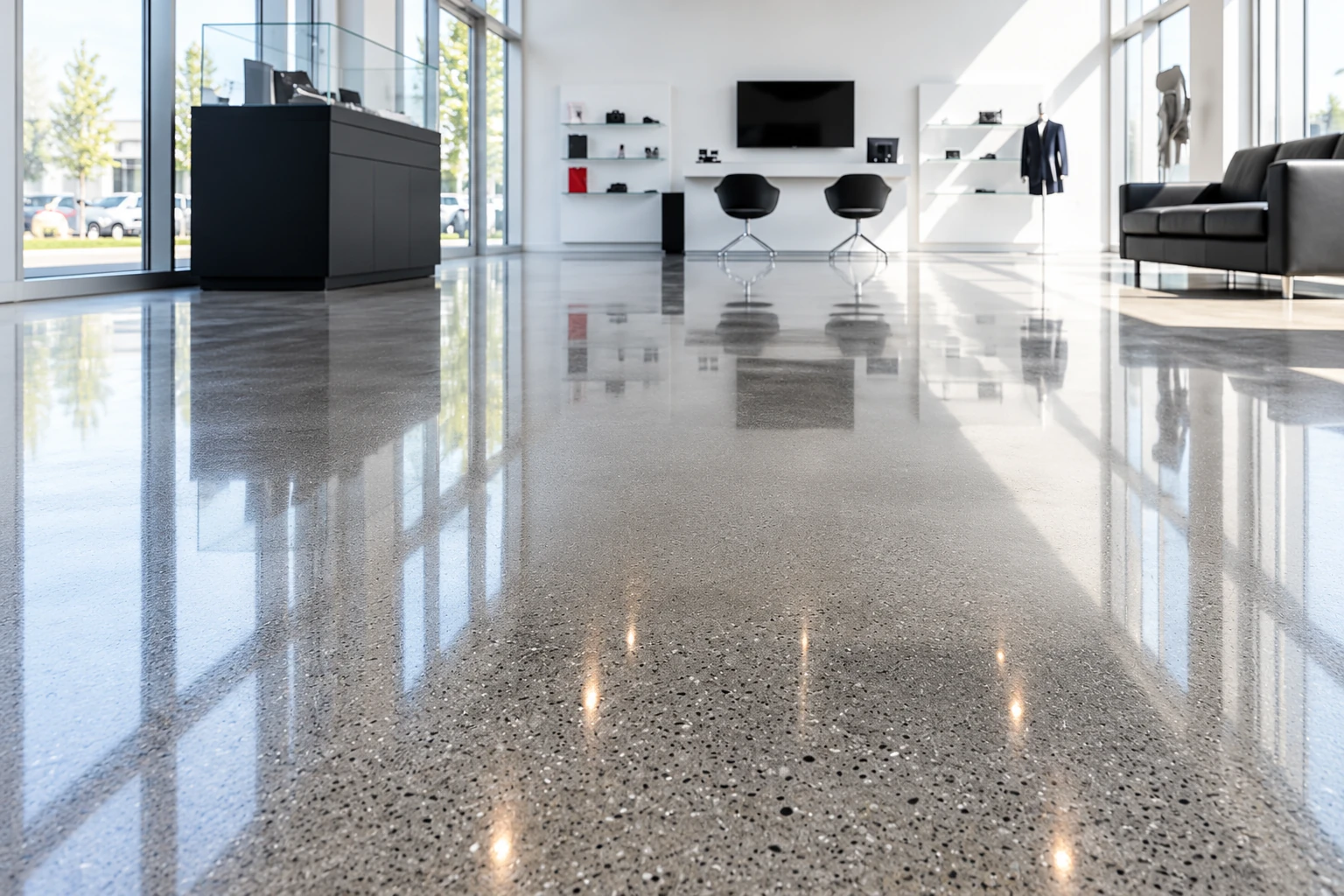
If your house has a sound slab under old tile or carpet, polishing it can give you a hard, cool floor that's easy to keep clean.
Stain soaks into the concrete instead of sitting on top, which suits patios and slab rooms here where you want color without a film that can peel.
Older homes around here sometimes hide terrazzo under carpet or tile. We pull the covering, fill chips and cracks, and grind and polish what's there.
Basements are rare in Tamiami, but we use the same moisture-first approach on sunken rooms and slabs that stay damp, testing before anything goes down.
We grind off the paint, tile glue and sealer left on slabs here so new coatings bond to clean concrete. It's the slow work we're known for.
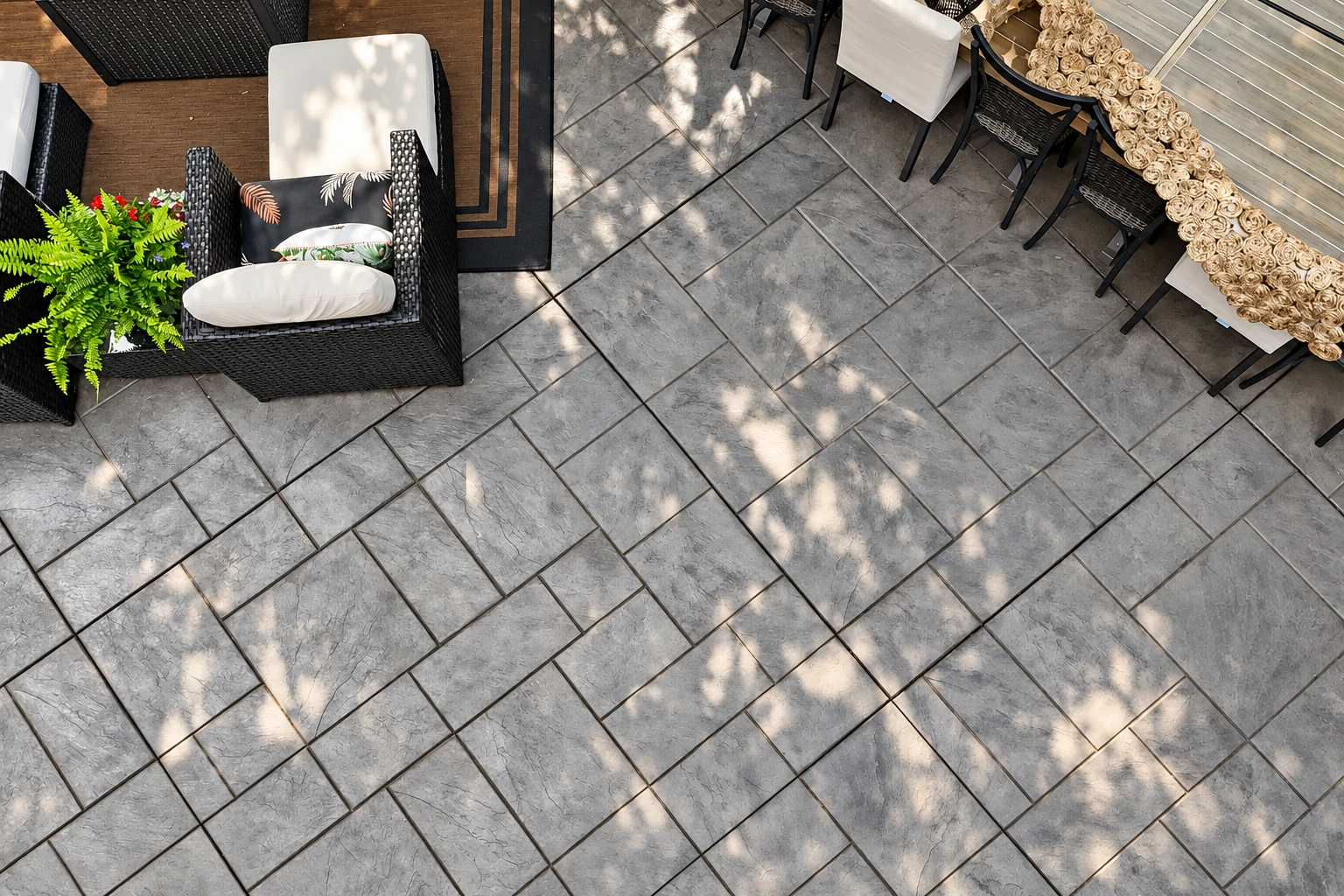
Sealing helps driveways, walkways and patios here shed heavy rain and stains, and we pick a sealer by whether the slab needs grip, shine or both.
When a patio or garage slab is pitted, flaking or patched in several places, an overlay gives you a fresh, even surface without tearing out the concrete.
Additions and older rooms here can have a slab that dips where two pours meet. A self-leveling pour flattens it before tile, vinyl or a coating goes on.
Pool decks here take sun, chlorine and bare feet most of the year, so we resurface or coat them with a textured finish that grips when wet.
Before anything new goes down, the old floor has to come off. We remove failed epoxy, paint, tile and the mortar under it, and leave clean concrete.
What Tamiami ground asks of a floor
Most of what makes a floor last here happens before the coating, so that's where we spend our time, and you'll know why before we start.
Moisture tested before coating
Miami-Dade sits close to sea level with its groundwater just below the surface, so we test each slab for moisture first.
The owner on site, every job
I come out to look at every job myself and stay on site while our crew does the work.
Straight talk on the unknowns
If something can't be known until the old floor comes up, I tell you that before we start, not halfway through.
Room for one more question
I remember being the customer who didn't know what to ask, so call back as often as you need.
Licensed, insured, working since 2017
We've coated and restored concrete across Miami-Dade since 2017, fully licensed and insured, and backed by our satisfaction guarantee.
Tamiami floor questions we hear
How do I find out who issues the permit for my house in Tamiami?
Look up your property's folio number, because Miami-Dade County issues building permits for property in an unincorporated area and a city's own building official issues them inside that city's limits. A folio, the property's ID number, that starts with "30" marks unincorporated county land, and the Property Appraiser can show you which city a property falls in. We check this early on every job and tell you what we find.
Do I need a permit to resurface or coat a floor in Miami-Dade County?
Resurfacing a floor is on Miami-Dade County's list of work that needs no building permit, but that's the county's list, so if a city covers your address, its building official decides. The county also lets some small projects under $7,500 at single-family homes, duplexes and townhouses skip the building permit when they meet its criteria, though not on property in a flood hazard area, and electrical, plumbing, structural, mechanical and gas work still needs a permit even under that amount. To check your flood zone, you can email the county's Floodplain program at DERMWaterMgmt@miamidade.gov, and if your job does need a permit, we apply for it as your licensed contractor.
What license should a flooring contractor have in Miami-Dade County?
Ask what license they hold and where it's good, because the state licensing board says a certified license works statewide, while a registered one only covers the cities or counties where the holder has a local certificate of competency. In Miami-Dade, the county's Contractor Licensing Section licenses contractors and tradesmen, and only a licensed contractor or an owner-builder can get a county building permit. We're fully licensed and insured, and I'm glad to go over it when I come out.
What causes epoxy garage floors to peel in Tamiami?
Usually it's poor prep or moisture pushing up through the slab, and moisture is a real risk here with the groundwater as close as it is. A coating rolled onto smooth, dirty or damp concrete has nothing to hold onto, so it lifts once hot tires and humidity go to work on it. We test the slab and grind it open first, and if the moisture reading says a plain epoxy won't hold, I tell you before you pay for one.
How much does a garage floor coating cost in Tamiami?
Your price comes from the slab's condition and the coating system you pick, more than from the garage's size. A flake epoxy floor usually costs less than a metallic finish or a polyaspartic system, and a clean slab costs less to prep than one with a peeling kit, cracks or a moisture problem we have to deal with first. That's why I look at the floor in person before giving you a number.
Can you coat a floor in Tamiami during hurricane season?
Yes, we work through summer and fall, and we plan each day around the weather because rain and humidity affect how a coating cures, especially on pool decks and open garages. On permitted jobs, the county tells permit holders to secure the jobsite during a tropical storm or hurricane watch or warning and to post its hurricane placard from June 1 through November 30. If a storm is coming, we put away loose materials and move the day rather than push a coat on.
Don't see your city? Call us
Pick another city below to see what we do there, or call (305) 786-6170 if yours isn't listed, because we work across Miami-Dade.
Talk with Stonegate about your Tamiami floor
Call (305) 786-6170 or send the form to set up your estimate, even after work, since we're open until 10 PM weekdays and 9 PM weekends.